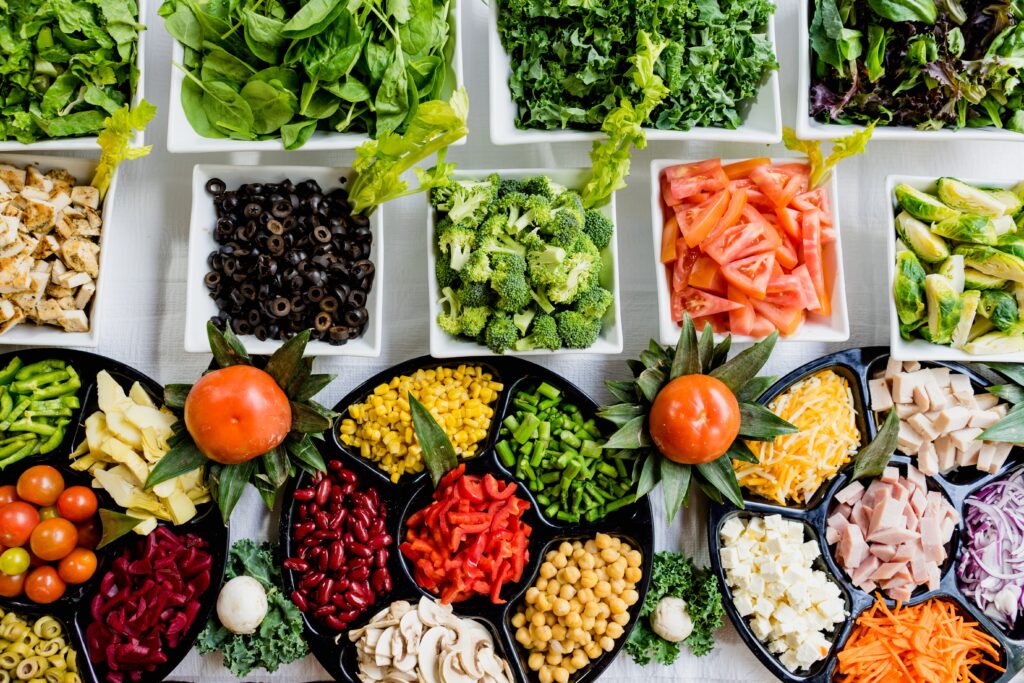
Food and nutrition rarely get the attention they deserve in conversations about retirement. We talk about location, cost, community and lifestyle. But what you eat, and how your environment supports good eating habits, has a more direct impact on your health, mood, and energy than almost anything else. At Cumberland View Retirement Village, we think that deserves a proper conversation.
How nutritional needs change as we age
Our bodies genuinely change as we get older. Muscle mass naturally decreases, which means protein becomes more important. Bone density requires consistent calcium and vitamin D. Digestion slows down, making fibre and hydration more significant. And because metabolism typically reduces, the calories we eat need to work harder. In short, eating well matters more in your seventies and eighties than it did in your forties.
Yet for many older Australians, the opposite happens. Cooking for one or two people can feel like a lot of effort. Grocery shopping becomes harder as mobility changes. Appetite sometimes decreases, and with it, the variety and quality of food we eat.
The hidden cost of eating poorly
Poor nutrition in later life is linked to fatigue, increased vulnerability to illness, slower recovery after injury or surgery, and reduced cognitive sharpness. It can also make conditions like diabetes, heart disease, and osteoporosis harder to manage.
None of this is meant to alarm. The point is simply that food is medicine in a very real sense, and the environments we live in either support or undermine our ability to eat well.
What good nutrition actually looks like day to day
The foundations are not complicated. Plenty of vegetables and legumes, quality protein at most meals (eggs, fish, chicken, tofu, dairy), whole grains rather than refined carbohydrates, healthy fats from olive oil, nuts and avocado, and consistent hydration throughout the day. Older adults are more susceptible to dehydration than they realise, and thirst signals become less reliable with age.
Regular mealtimes also matter more than people think. Eating at consistent times supports digestion and helps regulate energy levels across the day.
How community living supports better eating
One of the underappreciated benefits of retirement village life is the way it naturally supports better eating habits. Having a full kitchen and the space to cook properly, neighbours to share a meal with on occasion, and the proximity of local shops and services all make a genuine difference.
At Cumberland View, our neighbours are part of an active community in the heart of Wheelers Hill. It’s the kind of environment where cooking well and eating together simply becomes a more natural part of the day. And because good intentions are easier with a good recipe, here’s one to try in your own kitchen.
A recipe worth trying: chargrilled rump steak with Dijon maple butter
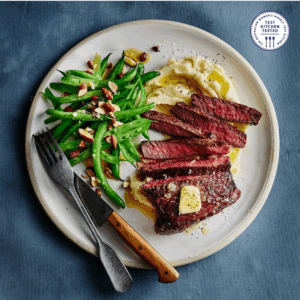
Photographer: John Paul Urizar. Stylist: Olivia Blackmore. Photochef: Caitlyn McGrath.
If cooking for one has started to feel like more effort than it’s worth, this recipe from Women’s Weekly Food is a good reminder that a proper dinner for one can be on the table in 20 minutes. It ticks plenty of nutritional boxes too: quality protein from the steak, green vegetables, healthy fats from the olive oil and almonds, and enough flavour that eating well never feels like a chore.
Serves 1 | Prep 10 minutes | Cook 10 minutes
Ingredients
- 1 teaspoon olive oil
- 250g rump steak, trimmed of excess fat
- 150g green beans, trimmed and sliced lengthways
- 1 tablespoon smoked almonds, coarsely chopped
- Mashed potato, to serve (store-bought or homemade)
- Radicchio, to serve (optional)
Dijon maple butter
- 20g salted butter, softened
- 1 teaspoon maple syrup
- 1 teaspoon lemon juice
- 1 teaspoon Dijon mustard
- ½ clove garlic, finely grated or crushed
Method
- Start with the butter. Mix the softened butter, maple syrup, lemon juice, Dijon mustard and garlic together in a small bowl until well combined, then set aside.
- Get a grill pan very hot over high heat. Rub the olive oil over both sides of the steak and season generously with salt and pepper.
- Grill the steak for around 3 minutes per side for medium-rare, or longer if you prefer. Move it to a warm plate, cover loosely with foil and let it rest for 5 minutes.
- While the steak rests, cook the beans in a saucepan of boiling salted water for about 2 minutes, until just tender. Drain, return them to the pan, then stir through a teaspoon of the flavoured butter and the chopped almonds.
- Slice the steak and serve with the beans, mash, radicchio if using, and the rest of the Dijon maple butter melting over the top.
Recipe adapted from Women’s Weekly Food.
See what life here really looks like
If you’re thinking about what retirement living could offer, food and nutrition are worth adding to your checklist when you visit. How is the kitchen set up? What are the spaces like for entertaining? Is the location convenient for shopping?
Ready to see what life at Cumberland View is really like? Register for our Winter Open Day on 16 July and come and meet our community in person.