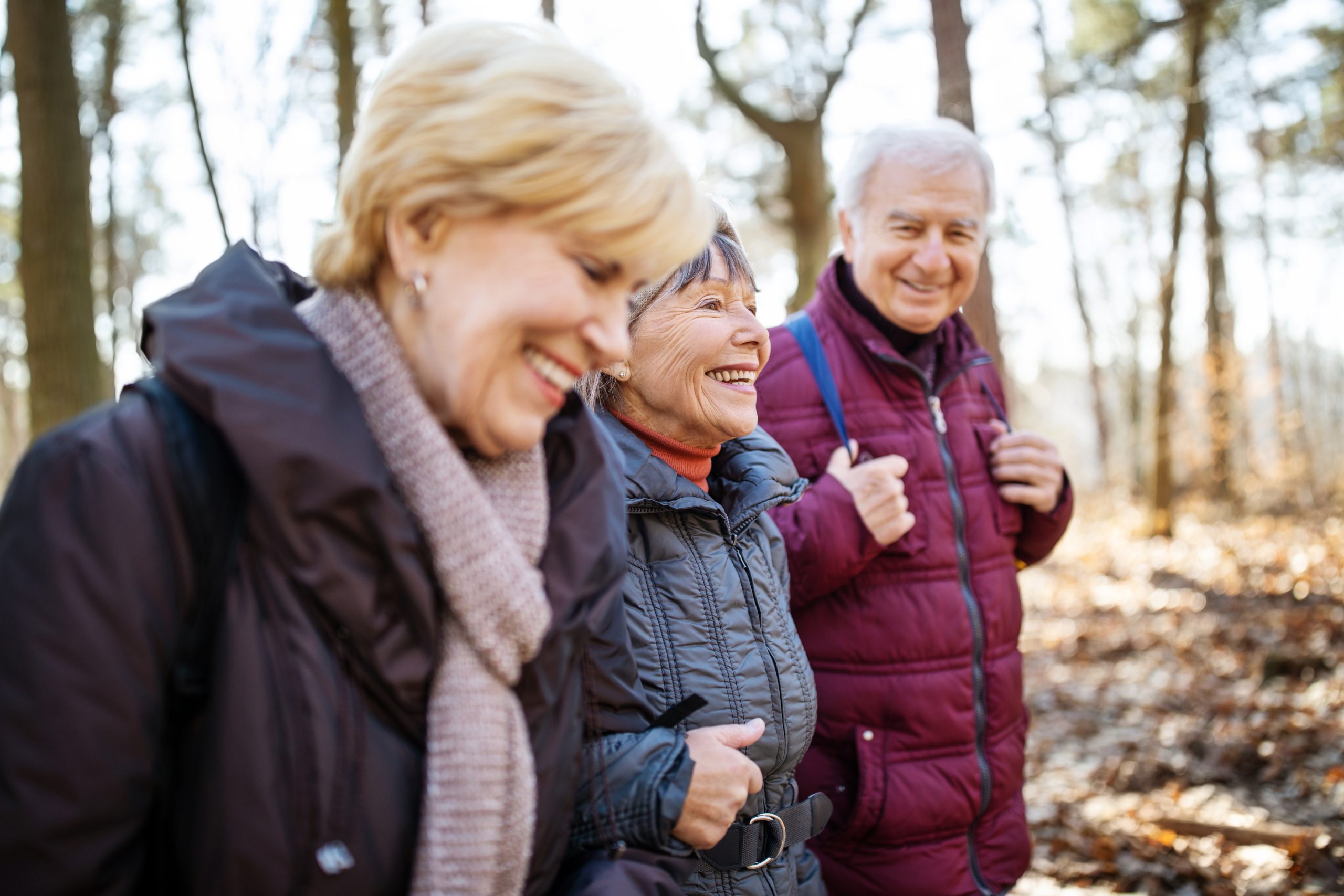
Social connection in retirement is one of the most significant and most underestimated health risks for older Australians according to Australian research.
Retirement brings with it a kind of freedom most of us spend decades looking forward to. No alarm clocks. No commute. Time, finally, to do the things you’ve been putting off. But for many people, the transition also brings something unexpected: a quietness that can creep into the days and, if left unchecked, tip into real loneliness.
Australian research consistently finds that social isolation is one of the most significant and most underestimated health risks for older Australians. Not just for mental wellbeing, but physical health too. Staying socially connected in retirement is genuinely important.
The good news is that it doesn’t take much. And the right environment makes it almost effortless.
Why social connection matters as we get older
When working life ends, the daily rhythm of human contact collapses almost overnight. Colleagues, meetings, the casual chat in the lift: all of it disappears, often faster than expected. For many people, that structure was providing far more social connection than they had realised.
Studies have found that people with strong social ties tend to live longer, recover from illness more quickly, experience lower rates of cognitive decline, and report higher levels of day-to-day happiness. Belonging to a community, whether it’s a neighbourhood, a club, a faith group, or a retirement village, provides a sense of purpose and routine that supports wellbeing in ways that are hard to quantify but easy to feel.
The warning signs of social isolation
Social isolation rarely announces itself. It tends to arrive gradually: fewer catch-ups, a reluctance to make plans, days that pass without speaking to anyone outside the household. If you or someone you care about is noticing these patterns, it’s worth paying attention.
Common signs include:
- Spending most days at home without planned activities or contact
- Feeling that there’s no one to call in an ordinary day
- Losing interest in hobbies or things that previously brought pleasure
- A general sense of not belonging anywhere in particular
None of these are cause for alarm on their own. Everyone has quieter stretches. But a consistent pattern is worth acting on.
What actually helps
The most effective antidote to social isolation isn’t grand gestures. It’s regular, low-pressure contact with familiar faces. Here’s what the research and lived experience both point to:
Routine social activities work better than one-off events. A weekly coffee, a regular class, a standing catch-up with a neighbour: these create the predictable human contact that keeps loneliness at bay more effectively than occasional larger gatherings.
Shared purpose brings people together faster than proximity alone. When people are doing something together, whether that’s cooking, gardening, playing cards, or volunteering, conversation flows more naturally and friendships form more quickly than in purely social settings.
New environments require a first step. The hardest part of building social connection after a major life change is almost always the first time you walk through a door. After that, it gets much easier.
Technology can supplement but rarely replaces in-person connection. Video calls with family and friends are genuinely valuable, particularly for staying close to people who live far away. But they work best alongside regular face-to-face contact, not instead of it.
How a retirement village changes the equation
One of the things people often say after moving into a retirement village, and it comes up again and again, is that they didn’t realise how much they’d missed just having people around. Not noise, not busyness, but the quiet reassurance of a community going about its day.
At Cumberland View, connection isn’t something that has to be engineered. It happens naturally, because the environment is designed around shared spaces, shared rhythms, and shared life. Morning walks with a neighbour. An activity you’d never have tried on your own, but went along to because someone in the next home suggested it.
That said, there’s no pressure. The balance between community and privacy is something each Neighbour finds in their own way and at their own pace.
Come and see what it feels like
One of the best ways to understand what community feels like in a retirement village is simply to come and spend an hour in one.
Our Open Morning Tea on Tuesday 2 September, 11:00am to 12:00pm is exactly that: a relaxed cuppa, a chance to meet some of our Neighbours and team, and a first look at what life here actually looks like on an ordinary day. No pressure, no sales pitch. Just good company and a decent biscuit.
Join us at our next Open Morning Tea RSVP