Why Eating Together Is Good for You
The Social Medicine of Shared Meals. Part of the Cumberland View Village Wellness Series
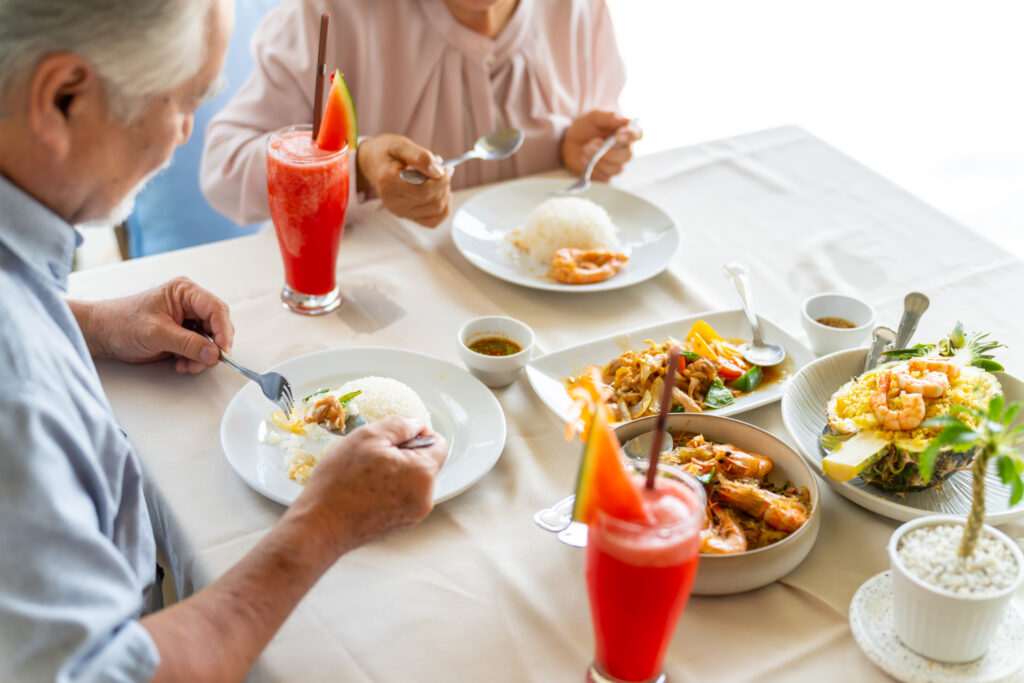
There’s a reason the dinner table has always been where the important things happen. Celebrations, conversations, the kind of easy togetherness that doesn’t need a reason. For most Australians over 70, it’s a deeply familiar rhythm – and as it turns out, one of the best things you can do for your health.
The Research Is Striking
Studies examining social connection and longevity in older adults have found that communal dining (eating with others on a regular basis) is associated with significantly reduced mortality risk. A prospective cohort study tracking nearly 2,000 older adults in Taiwan, found that men who ate with others twice a day had roughly 58% lower all-cause mortality risk compared with those who consistently ate alone. The protective effect for women was meaningful too, though less pronounced.
A comprehensive scoping review published in Innovation in Aging – examining 18 studies spanning decades of research – confirmed that shared meal programmes for older adults are consistently associated with better nutritional outcomes, higher diet quality, and improved social and psychological wellbeing.
What’s behind it? Several things working together.
Shared meals tend to improve nutrition. People who eat with others generally consume more varied, balanced meals and maintain healthier appetites than those who eat alone. Social eating also activates the body’s relaxation response, lowering cortisol levels and supporting digestive function. And the social connection itself – the conversation, the laughter, the simple act of being with people you like – activates neurological pathways associated with mood, cognitive function, and immune resilience.
The benefits appear even with modest frequency. The research indicates that even regular communal meals – monthly dinners, weekly catch-ups over a meal provide measurable social and health advantages. It doesn’t have to be every night. It just has to happen.
Mateship Was Never Just a Nice Idea
For the current generation of older Australians, communal gathering isn’t a wellness trend – it’s simply how life was lived. Sunday roasts. Neighbourhood barbecues. The kind of easy hospitality that didn’t need much planning.
The research is now confirming what this generation understood instinctively: being together around food is good for you. Not just pleasant, not just culturally meaningful; genuinely, measurably good for your body and your mind.
Shared Meals at Cumberland View
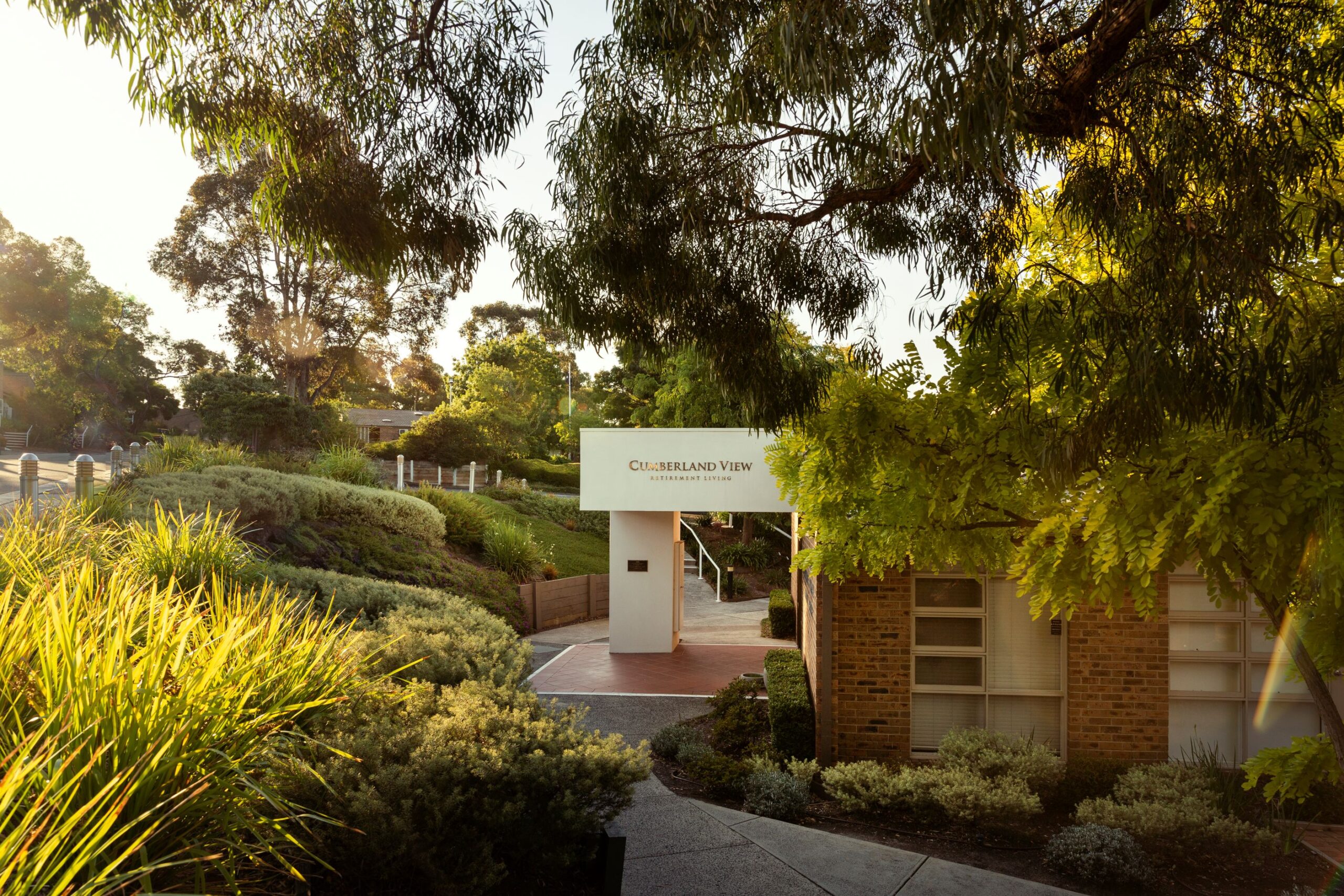
At Cumberland View Retirement Village in Wheelers Hill, the monthly village dinner is one of the most looked-forward-to events in the calendar. It’s a proper sit-down occasion; an opportunity to catch up properly, to meet people you might have only waved to in passing, to enjoy good food in good company.
But the research suggests that even informal, spontaneous meal-sharing carries real health benefits. A neighbour invited in for a bowl of soup. A morning tea that turns into lunch. Two people who happen to be in the community space at the same time and decide to eat together.
Life at Cumberland View makes these moments easy. Communal spaces are designed for exactly this kind of easy, unplanned connection. There are no rules about when you gather or who you invite. Just the natural opportunity that comes from living in a community of people who share a similar stage of life, and who often find they have quite a lot in common.
Nourish Yourself Well at Cumberland View Village
At Cumberland View Village, community is just part of how life works here. Whether it’s a formal village dinner or a spontaneous cuppa with a neighbour, the opportunities to share time, conversation, and a meal are woven into everyday village life.
If you’ve been thinking about what the next chapter looks like, we’d love to show you around.
Book a tour today and come and see what life at Cumberland View really feels like. We’ll put the kettle on.
___
Part of the Cumberland View Village Wellness Series. For personalised health advice, please consult your healthcare provider.